
Lipödem ist eine chronische Erkrankung, die vor allem Frauen betrifft und zu einer unregelmäßigen Fettverteilung im Körper führt. Es handelt sich dabei um eine Symptomatik, bei der Fettgewebe in den unteren Extremitäten, aber auch in den Armen, abnormal anschwellen kann. Leider gibt es immer noch viele Missverständnisse und Fehler, die Betroffene machen können, wenn sie versuchen, mit dieser Erkrankung umzugehen. Diese "Sünden" können die Symptome verschlimmern oder den Heilungsprozess behindern.
In diesem Artikel schauen wir uns die fünf größten Fehler an, die du bei Lipödem vermeiden solltest. Doch keine Sorge, es geht nicht nur darum, was du nicht tun solltest. Wir bieten auch Lösungsmöglichkeiten, wie du dein Wohlbefinden steigern kannst und die Symptome lindern kannst.

Worsen the weight gain
The wrong diet
Many people with lipedema have difficulty controlling their weight. However, there is a crucial difference between weight gain due to lipedema and weight gain from unhealthy eating. Poor diet, especially high intake of sugar, processed foods, and trans fats, can not only lead to weight gain but also exacerbate the symptoms of lipedema.
Lipedema patients are often more prone to water retention and inflammation, which can be further aggravated by an unhealthy diet. A balanced, anti-inflammatory diet is therefore essential. This includes fresh, unprocessed foods like fruits, vegetables, healthy fats (e.g., from nuts or avocados), and plant-based proteins. These foods not only support your overall well-being but also help alleviate the symptoms of lipedema.
Tipp: Verzichte auf Zucker und stark verarbeitete Lebensmittel und setze auf eine ausgewogene Ernährung mit wenig Salz und gesunden Fetten. Dies hilft, die Entzündungen im Körper zu reduzieren und den Flüssigkeitshaushalt ins Gleichgewicht zu bringen.
Less Activity, More Discomfort
2. Lack of exercise

There's no way without compression
3. Lack of Compression
Compression therapy is an essential element of lipedema treatment. Compression stockings or sleeves help improve blood circulation and prevent excess fluid from accumulating in the tissue. Those who skip this therapy or do not apply it regularly risk a worsening of symptoms.
A common mistake is wearing compression stockings only occasionally or choosing the wrong size. The right compression is crucial for it to be effective.
Tip: Make sure to wear the appropriate compression daily to reduce swelling and promote lymph fluid in the tissue. If you regularly change and take good care of your compression products, the success of this therapy increases significantly.

The Underestimated Problem
4. Stress and psychological strain
Stress is an often underestimated factor that can lead to a worsening of symptoms in patients with lipedema. The body responds to stress by releasing cortisol, a hormone that can increase inflammation in the body. Stress not only leads to an increased perception of pain but also affects hormone balance and can thus negatively impact lipedema.
Tip: Find relaxation methods that suit you. Meditation, breathing exercises, or regular breaks can help reduce stress levels and alleviate symptoms. Even a regular walk in the fresh air often works wonders.

Self-help instead of professional advice
5. Lack of Treatment Options
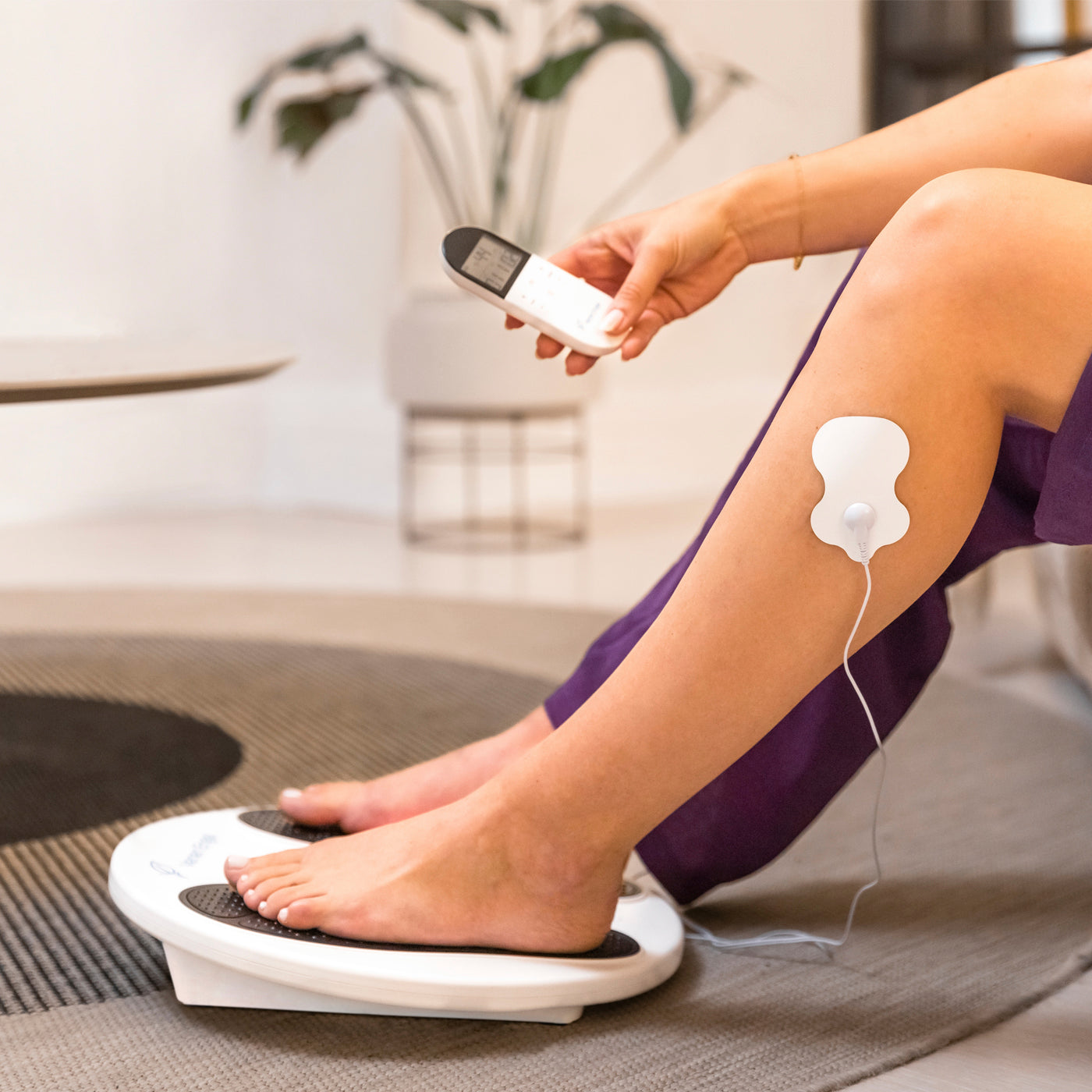
There are numerous treatment options that can significantly ease living with lipedema. These include manual lymphatic drainage, specific massages, or even medical devices like the Venen Engel EMS Venen Board, which is specially developed for treating swelling. However, many affected individuals only seek help when the symptoms are already severe, instead of taking preventive measures early on.
Tip: Engage with your doctor or therapist early and learn about supportive treatment methods. A therapy plan tailored to your needs can help you effectively alleviate the symptoms.
Conclusion:
How you can alleviate the symptoms of your lipedema
Regular compression massage can also be very effective. It promotes the drainage of lymphatic fluid, thereby reducing the feeling of heaviness and tension in the legs.
By avoiding these little pitfalls and choosing the right treatment methods, you can make everyday life with lipedema significantly easier. Remember: With the right measures, patience, and a positive attitude, you can make the best of the situation.

Setu Bandhasana
Shoulder Bridge
Inversions
Harness gravity for you

Viparita Karani
Waterfall

Your new lifestyle
Yoga as Part of a Holistic Lifestyle
Besides yoga practice, other factors also play a role in supporting the lymphatic system. A mindful diet, adequate hydration, and regular exercise can enhance the positive effects of yoga.
Nutrition and Yoga – A Perfect Combination An anti-inflammatory diet can help reduce water retention. Foods like ginger, turmeric, citrus fruits, and leafy greens promote circulation and help the body eliminate toxins.
Practical Tips for Integrating Yoga into Daily Life: It doesn't always have to be a long yoga session. Even five minutes of deep abdominal breathing or a short inversion pose like the waterfall can help reduce swelling and relax the body.
Meditation and Mindfulness:
Meditation and mindfulness exercises are also valuable additions to yoga practice. Stress and inner tension can worsen water retention and lymph congestion, so regular mindfulness practice helps promote mental calm and serenity. A soothing meditation can relax the nervous system and indirectly contribute to improving lymph flow.
Tips for Practice:
Flowing Breath: Pay attention to deep and even breathing during the exercises.
Mindfulness: To specifically activate lymph flow in your yoga poses, it's important to perform the movements slowly and consciously. Be mindful during the exercises and listen to your body. If you feel pain, adjust the pose or switch to another.
Regularity: Perform these exercises regularly to achieve the best results for lymph flow.
Your new lifestyle
Why is yoga beneficial for water retention?
Yoga is a gentle yet effective support for body and mind to stimulate the lymph flow and relieve the body. Through regular yoga practice, you can not only alleviate physical discomforts like swelling and lymph congestion but also strengthen your body awareness and find mental relaxation. It is important to practice mindfully and respect your own limits. Every body is different, and it requires patience and care to enhance your well-being in the long term.
Yoga helps with water retention by:
- Improving lymph circulation: Targeted exercises promote the removal of excess fluid from the tissues.
- Stimulating blood circulation: Gentle movements support blood flow and thus help reduce swelling.
- Increasing flexibility and strength: Yoga strengthens the muscles and improves mobility, which can reduce discomfort from water retention.
- Reducing stress: The calming effect of yoga lowers stress, which can worsen water retention.
Find the yoga style that suits you best:
Certain yoga styles are particularly suitable for gently stimulating your lymph circulation, reducing swelling, and connecting with your body.
Yin Yoga: Yin Yoga is a calm and meditative yoga style where the asanas are held passively for a longer period (about 2 to 5 minutes). The gentle pressure of your own body weight is used to target the deeper connective tissue, fascia, and joints. By staying statically in the positions, the elasticity of the tissue is improved, adhesions are released, and the fluid flow in the lymph vessels is stimulated. This can be especially beneficial for lymphedema, as it reduces tension in the tissue and gently supports circulation.
Yin Yoga also offers you a space for relaxation and mindfulness, allowing not only the body but also the mind to regenerate – a holistic approach that strengthens self-care and promotes well-being.
Hatha Yoga: Hatha Yoga is a calm yet strengthening practice that supports the lymphatic system through gentle, mindful movements and breathing techniques. Through slow, controlled movements and focusing on breath and body awareness, Hatha Yoga gently supports circulation and can reduce congestion, which often occurs with water retention in the body.
The asanas are performed at a slow pace and held for a few breaths, creating a strong connection between body and mind and promoting physical and mental balance.
Vinyasa Yoga (adapted): Vinyasa Yoga is usually a more dynamic style, but an adapted, gentle version can also be helpful in promoting lymph circulation through flowing movements and light sweating. A gentle Vinyasa class can help you stay active and stimulate circulation without putting too much strain on the tissue.
It is important to avoid overly demanding sequences that could overheat you or hinder lymph drainage. Simple variations of asanas with breaks and time for regeneration are often more effective than overly demanding or advanced positions.
Try it out and feel the difference
Discover how positively yoga practice can affect your well-being and lymph flow. Just a few minutes a day, consciously connected with your breath and body, can make a difference: reduce swelling, release tension, and give you a sense of lightness and relief. Take the time to practice mindfully and give your body the support it deserves – for a healthy, relaxed, and vital everyday life!
About the Author: Barbara is our Brand Manager at Venen Engel and also a certified yoga teacher. In her Hatha-inspired classes, she guides participants on their journey to physical and mental balance as well as holistic well-being. With great mindfulness, she encourages her students to strengthen their own body awareness and better perceive themselves.

Venen Engel Shop
Venen Engel EMS Vein Board


Featured Collection
-
Venen Engel Compression Tights
Regular price 79,90€Regular priceUnit price per- Compression Class II (23-32 mmHg)
- Graduated Compression
- Oeko-Tex certified, skin-friendly material
-
Venen Engel Compression Tights
Regular price 79,90€Regular priceUnit price per- Compression class II (23-32 mmHg)
- Graduated compression
- Oeko-Tex certified, skin-friendly material
-
Venen Engel Compression stockings
Regular price 59,90€Regular priceUnit price per- Compression class II (23-32 mmHg)
- 5 fashionable colour options
- Open-toe design
-
Venen Engel Compression stockings
Regular price 59,90€Regular priceUnit price per- Compression class II (23-32 mmHg)
- 5 fashionable colour options
- Open-toe design


More exciting articles on the topic
View all-

Lipedema Power Community
What can the Lipödem Power Community truly offer you in everyday life? Here you'll find clear guidance and practical tips that can support you in your daily life with lipedema.
Lipedema Power Community
What can the Lipödem Power Community truly offer you in everyday life? Here you'll find clear guidance and practical tips that can support you in your daily life with lipedema.
-

Lipedema Power Women
Looking for new insights on the topic of lipedema power women? Here you'll find clear guidance and practical tips that can support you in your daily life with lipedema.
Lipedema Power Women
Looking for new insights on the topic of lipedema power women? Here you'll find clear guidance and practical tips that can support you in your daily life with lipedema.
-

Venen Engel 8 Premium with Lymph-Flow Arm – The...
Do you want to better understand why the Venen Engel 8 Premium with Lymph-Flow Arm is the number 1 choice for lipedema? Here you'll find clear guidance and practical tips...
Venen Engel 8 Premium with Lymph-Flow Arm – The...
Do you want to better understand why the Venen Engel 8 Premium with Lymph-Flow Arm is the number 1 choice for lipedema? Here you'll find clear guidance and practical tips...


